A foreign national can buy real estate in Bulgaria, but separate rules apply to land. An apartment, a house, a regulated plot, and agricultural land are assessed differently. Before a transaction, it is important to understand not only the price and location, but also who the buyer is, what type of plot has been selected, and whether it can be used in the way the buyer intends.
This is especially relevant in Varna and the surrounding region. Land is often considered here for a future home, a small investment project, or further development. A plot may look very attractive during the first viewing, but the real picture only becomes clear after checking the documents, cadastre, PUP, the Detailed Development Plan, access, utilities, and restrictions.
First, it is important to understand exactly what is being purchased
Buying an apartment and buying a plot of land in Bulgaria are different situations. With an apartment, there are usually fewer questions concerning the property itself. A land plot requires a separate review because land ownership rights in Bulgaria depend on the status of the buyer and the type of land.
If the plot is intended for building a house, it is necessary to check whether it is regulated, whether it is located in an area where residential construction is permitted, whether there is proper road access, and what the cadastre and development plans show. A beautiful view, proximity to the sea, and a good price do not necessarily mean that the plot can quickly and easily be used for construction.
It is also important to distinguish between a completed house with land, an apartment, a UPI, and agricultural land. UPI refers to a regulated land property in the Bulgarian system. Such a plot is usually already included in the urban planning framework, but this does not remove the need to check the documents, access, building parameters, and utilities. The type of property determines whether the transaction can be completed directly, whether a Bulgarian company is needed, what checks will be required, and what risks may arise later.
If the buyer is from the EU or EEA
For citizens and companies from the European Union and the European Economic Area, purchasing land in Bulgaria is generally easier. Such buyers can acquire land directly if the legal requirements are met and the plot itself is suitable for the intended purpose.
This is especially important for those who want to buy a UPI for building a house. If the plot is regulated, has the correct designated use, proper road access, and clear building parameters, an EU or EEA buyer can usually consider purchasing it in their own name or through their EU/EEA company. However, the right to buy land does not replace the need to check the property itself.
Before the transaction, it is still necessary to review the ownership documents, cadastral plan, property history, any encumbrances, road access, PUP, building parameters, and the possibility of connecting utilities. Building parameters usually include permitted site coverage, intensity, building height, setbacks from the plot boundaries, and minimum landscaping requirements. These factors show what kind of house can actually be built in practice, rather than merely what is promised.
Sometimes a plot can legally be purchased but is not ideal for construction. For example, a road may exist physically but may not be properly established in legal terms. Or the plot may have a steep slope, no water connection, electricity connection may require extra time and budget, and the neighboring area may change according to the development plan. For the buyer, this is no longer a question of ownership rights, but of future costs and the practical usability of the plot.
Agricultural land must be assessed separately. In Bulgaria, such land may be acquired by a Bulgarian citizen, a foreign citizen with a sufficiently long period of residence in the country, usually more than 5 years, or a legal entity that meets the requirements of the law. Even if the ownership issue can be resolved, this does not mean that a house can automatically be built on the land. It is necessary to understand whether the designated use of the land can be changed, whether there is an urban planning basis for doing so, how long the procedure will take, and whether this route makes economic sense.
For an EU or EEA buyer, an optimal sequence may be the following. First, define the purpose of the purchase. Then check the land status and PUP. After that, assess access, utilities, and actual costs. Only then should the price, deposit, and transaction timeline be discussed.
If the buyer is not from the EU
For buyers from countries outside the EU and EEA, the rules are stricter. In a standard transaction, a third-country national often cannot register a land plot in Bulgaria directly in their own name. Exceptions may arise from an international treaty or inheritance by law, but buying land for a house or project more often requires a different ownership structure.
In practice, purchasing through a Bulgarian company is often considered. This is a common option, especially for a regulated building plot. A Bulgarian company can own land even if its owner is a foreign national. However, such a structure should be discussed with a lawyer and accountant in advance.
The company must be properly registered, have a clear ownership structure, maintain accounting records, and remain active after the transaction. It will incur maintenance costs, accounting expenses, annual reporting obligations, and possible tax issues. If the plot is later sold, developed, or used as part of an investment project, the ownership structure will also matter.
Buyers from the United Kingdom after Brexit must also review the legal framework for the transaction separately. When purchasing land, they are no longer treated in the same category as EU citizens. Therefore, a British buyer considering land in Bulgaria should clarify in advance whether direct purchase is possible or whether using a Bulgarian company is more appropriate.
Another important point is that the right to reside in Bulgaria and the right to purchase land are different things. A visa, residence permit, or long period of residence does not always resolve the question of land ownership by itself. Citizenship, the legal regime of the land, the purchase structure, and the specific documents all matter for the transaction.
If the buyer is not from the EU, the process should not begin with a deposit. First, it is necessary to determine who will be the buyer under the contract — an individual or a company. Then it should be checked whether the selected plot can be purchased through that structure, whether there are any restrictions based on the type of land, and whether the property is suitable for construction or investment.
It is also important to think about the future in advance. If the plot will be developed, who will obtain the permits? If the project is later sold, how will the sale be structured? If the land is being purchased as an investment, how clear and attractive will that ownership structure be to a future buyer? These questions are better resolved before the transaction rather than after ownership has already been registered.
Building plots and agricultural land
For a foreign buyer, it is important not to confuse land intended for construction with agricultural land. If the land is not regulated and is not designated for residential development, the path to construction may be long, expensive, and not always predictable.
A UPI is generally more suitable for construction than unregulated land, but UPI status alone is not enough. It is necessary to check whether the regulation has been implemented in practice, whether the boundaries in the documents and cadastre match, whether there is street regulation and actual road access. It is also important to determine what type of development is permitted on the plot, such as a detached residential house, a residential complex, a public building, or another type of property.
The building parameters must also be reviewed separately. They determine the size of the future house, number of floors, height, setbacks from neighboring properties, landscaping percentage, and whether the project can physically fit on the plot at all. Sometimes a plot appears large enough, but after taking setbacks, terrain, and restrictions into account, the actual buildable area is much smaller than expected.
Agricultural land requires separate analysis. Sometimes a buyer sees a large plot at an attractive price and assumes that it can easily be used later for a house or project. In practice, changing the land designation, obtaining approvals, arranging access and utilities, and dealing with development plans can make this route complicated. Sometimes it is possible, sometimes it is not, and sometimes it simply does not make economic sense.
What should be checked before paying a deposit
One common mistake is paying a deposit before completing a proper preliminary review. Before making any payment, it is better to review the ownership documents, cadastral plan, possible encumbrances, land status, PUP, road access, the possibility of connecting electricity and water, and any restrictions that may affect construction.
The cadastre shows the boundaries, identifier, area, and neighboring plots. However, the cadastral map alone does not answer every question. It is necessary to compare the actual position of the property, fences, roads, neighboring properties, and how the plot looks on site.
The PUP helps determine what can be built and how the area may develop. For a residential building plot, it is one of the key documents. It shows not only the property itself but also the future environment around it, including roads, zones, neighboring development, and possible future changes in the area.
A check in the Property Register is necessary to review the ownership history, mortgages, prohibitions, court disputes, or other encumbrances, if any. For a foreign buyer, this is not unnecessary bureaucracy but an important stage before the transaction. It is better to spend time on due diligence in advance than to deal later with a plot that cannot be used as intended.
Why Varna requires particularly careful due diligence
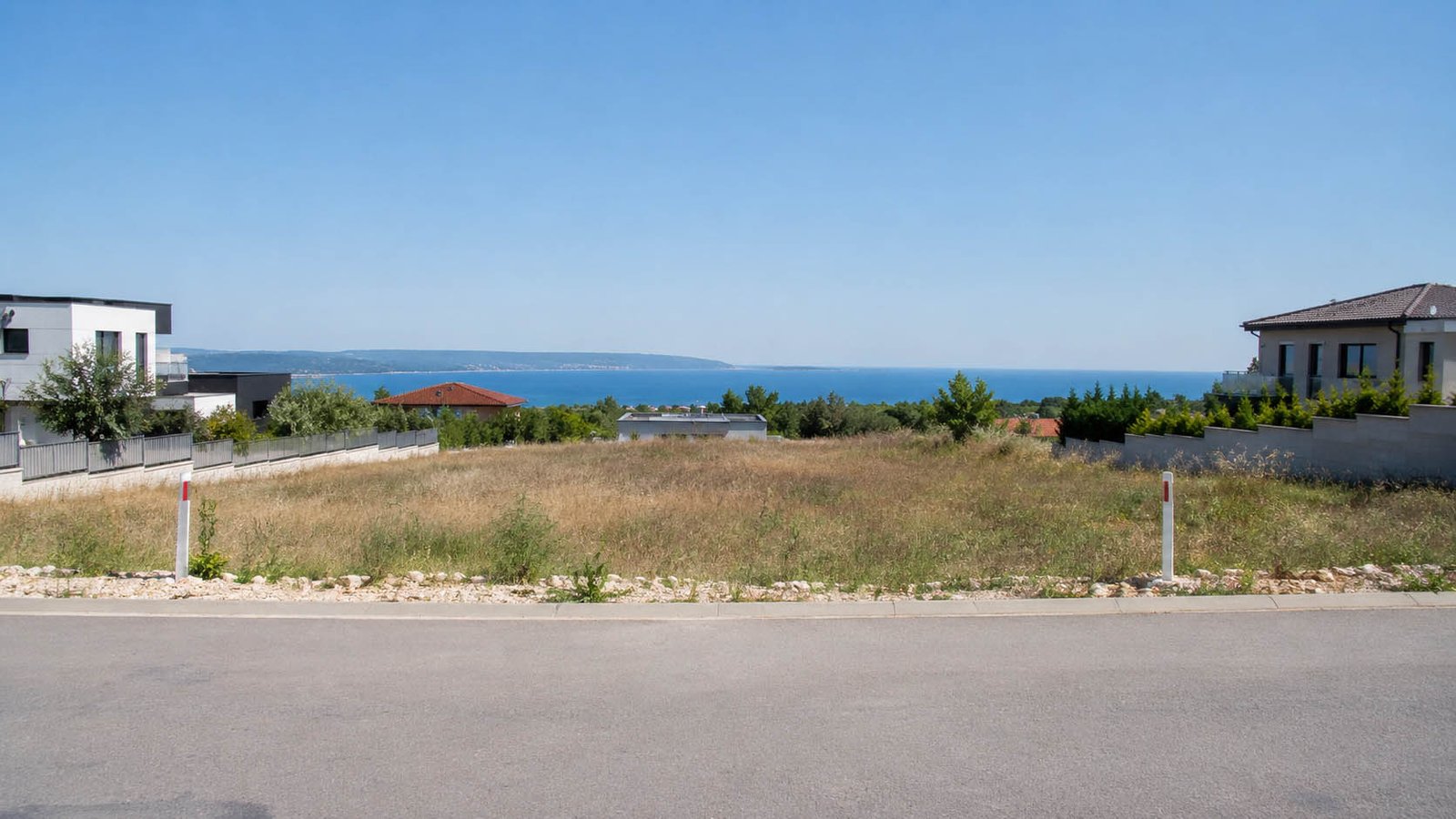
Varna and the surrounding areas are developing unevenly. One area may already have roads, infrastructure, and clearly established development, while a nearby plot may still depend heavily on future plans, procedures, and utility connections. Distance to the sea alone does not answer other important questions. What is the access to the plot like? What about the terrain? Are there restrictions? Can the property be used year-round? What may happen to the surrounding area in a few years?
For this reason, when buying a plot in Varna and the region, it is not enough to focus only on the distance to the sea or a beautiful panorama. It is necessary to understand the plot from a legal, technical, and practical perspective. Can it be accessed normally? What may appear around it in several years? How much will preparation for construction cost? Is the location truly suitable for everyday living, or does it only look attractive during the first viewing?
For an investor, this is even more important. The plot should not simply be beautiful; its documents should be clear, it should be liquid, and it should be suitable for the next development stage. Problems with access, legal status, utilities, or development plans affect not only construction but also the future value of the property.
Conclusion
A foreign national can buy land in Bulgaria, but the process depends on the buyer’s citizenship, the type of land, and the purpose of the transaction. For EU and EEA citizens, the procedure is generally easier. For buyers from third countries, a separate structure is often required, such as purchasing through a Bulgarian company. If agricultural land is involved, or if the status of the plot requires additional confirmation, the due diligence should be even more thorough.
A good plot is not only about location and price. It means clear ownership rights, correct boundaries, suitable legal status, proper access, real utility connections, and a clear urban development outlook.
If you are considering a plot in Varna or the surrounding region, BulgarHouse can help review it before purchase, assess the documents, access, cadastre, and urban planning parameters. Together, we can determine whether the location is suitable for your dream home, a secure investment, or further project development.