How to Choose a Plot of Land for Building a House in Varna and the Region
At first glance, choosing a plot of land for building a house may not seem very difficult. There is a location, a view, a price, a nearby road; you can imagine the future home and already start thinking about the project. But land is rarely as simple as it appears during the first viewing. A plot may be beautiful but difficult to build on. It may be inexpensive but require costly utility connections. It may appear promising but have restrictions that only become clear after the documents are checked.
In Varna and the surrounding region, this is particularly important. The sea, urban infrastructure, suburban areas, rural territories, and plots with different legal statuses and development prospects are all located close to one another. Two plots may look almost identical, yet one may be suitable for a house while the other may require lengthy approvals and additional expenses. That is why choosing land should begin not with emotion, but with understanding exactly what can be built, how quickly it can be done, and what risks already exist.
The price of a plot does not tell the whole story
Price often becomes the first criterion, and that is natural. But cheap land is not always a good deal. Sometimes a low price is linked to poor access, a lack of utilities, difficult terrain, unclear legal status, or limited development prospects.
A good plot for building a house in Varna and the region should be assessed more broadly. The land status, road access, electricity, water, sewerage, internet, surrounding development, urban planning regulations, and distance to everyday infrastructure all matter. Sometimes a plot costs more at the purchase stage but is clearer and easier to develop. In the end, it may be a more sensible choice than a cheaper option with many hidden issues.
Cadastral map and plot boundaries
The review should begin with the cadastral records. The cadastral map helps you see the plot as a specific property with defined boundaries, an identifier, an area, and neighboring properties. This is the first layer of understanding without which it is difficult to seriously consider purchasing land.
For a quick initial check, you can use the KAIS cadastral map. It allows you to verify the boundaries, identifier, plot area, and neighboring properties before moving on to a full legal review.
Open the KAIS cadastral map:
https://kais.cadastre.bg/bg/Map
You should check whether the actual position of the plot corresponds to the cadastral data, whether there is clear access, how the neighboring properties are arranged, and whether there are any unusual overlaps or boundary issues. The cadastral map does not replace a lawyer or surveyor, but it helps identify the basics quickly. Often, even at this stage, it becomes clear whether it is worth proceeding further.
Land status and the possibility of construction
The main question is whether you can build exactly the type of house you need on the plot. Not every piece of land is suitable for residential development. In Bulgaria, zoning status, the Detailed Development Plan, development parameters, and specific restrictions for the area are particularly important.
The buyer needs to understand whether the plot is regulated, whether residential construction is permitted, what development parameters are allowed, what building height is possible, how much landscaping must remain, and where the house may be positioned. Essentially, these parameters answer the main question: what kind of house can actually be built on this plot?
Sometimes a seller says that everything can be resolved later. Sometimes it genuinely can. But “later” almost always means time, money, and uncertainty. Before buying, it is better to know what is already permitted, what requires additional procedures, and what could become a problem.
Detailed Development Plan and development of the area
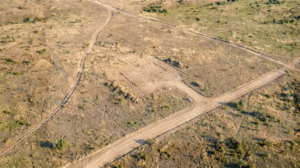
The Detailed Development Plan shows not only the parameters of the specific plot but also how the surrounding area may change. It indicates where streets are planned, what zones are located nearby, and what could potentially appear in the neighborhood. Today there may be an empty field next door, while in a few years there could be a road, new development, or another facility that changes the quietness, the view, and the value of the location.
When buying land for a house, it is important to understand how the area will develop. Where are streets planned? What zones are nearby? What may be built next door? How is the area connected to the city and its infrastructure? Varna and its suburbs are developing unevenly. In some places the future is already clear, while in others attractive promises still remain only words.
Access to the plot
The road to the plot is more important than it may appear during the first viewing. Everything may look convenient on the map, but on site you may discover that access is narrow, damaged, seasonal, or crosses someone else’s land. For construction, this is a serious issue. You need not only access for a passenger car, but also the ability to deliver materials, bring in construction machinery, and service the house after construction is complete.
It is better to determine in advance whether access is legally established, who is responsible for the road, and whether it can be used normally in winter, after rain, and during the construction period.
Utilities and real costs
Electricity, water, sewerage, internet, and heating directly affect the value of a plot. The phrase “utilities are nearby” does not mean very much on its own. You need to understand exactly where they are located, whether connection is possible, what capacity is available, how much it may cost, and how long the process could take.
Sometimes a plot appears inexpensive, but connecting utilities changes the entire economics of the purchase. This is especially important when the house is intended for permanent residence. A summer house and a year-round home require very different levels of infrastructure and engineering systems.
Terrain, soil, and preparation for construction
A beautiful sloping plot can offer views, privacy, and interesting architectural possibilities. But the terrain almost always affects the budget. Retaining walls, drainage, difficult access, site preparation, and soil conditions can significantly increase construction costs.
Before purchasing, it is worth understanding where the house will be positioned, how construction machinery will access the site, where water will drain, and whether additional engineering solutions will be required. The land always sets conditions for the future home. It is better to understand those conditions before completing the purchase.
Surroundings and quality of life
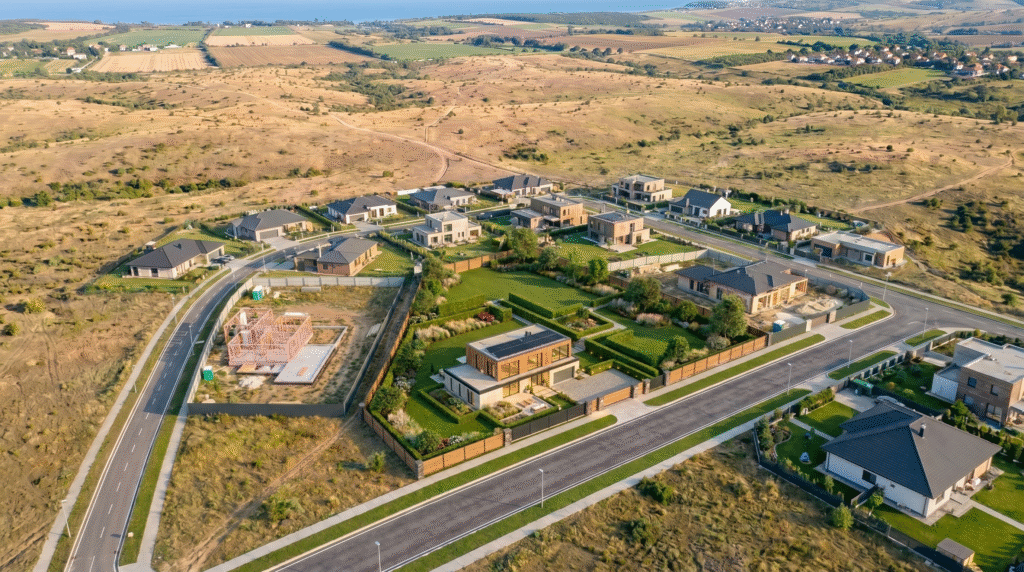
A plot should not be chosen based on documents alone. You are buying a place to live. That is why it is important to look at the neighbors, noise, traffic, lighting, odors, views, proximity to shops, schools, medical services, and everyday routes.
It is useful to visit the plot several times — in the morning, in the evening, on a weekend, and after rain. Some locations change significantly depending on the time of day and the weather. This is often impossible to see during the first viewing.
For a future home, investment potential is not the only consideration. You need to understand whether it will be peaceful to live there, whether daily travel will be convenient, whether there is enough light, activity, and safety, and whether a beautiful location could turn out to be inconvenient for everyday life after a year.
Liquidity of the plot
Even if a plot is being purchased for personal use, liquidity still matters. Life plans change, so even land intended for your own home should ideally retain its value and remain attractive for future resale. Liquidity is influenced by location, legal status, access, utilities, plot size, construction possibilities, and the development of the surrounding area.
In Varna and the region, plots that combine proximity to the city, good road access, predictable development, and a peaceful environment are particularly attractive. But every plot should be assessed individually. General claims about an area’s potential cannot replace a proper review.
Why it is better to choose a plot with a team
Buying land for building a house requires the involvement of several specialists. You need someone who understands the property market. You need a lawyer to review the documents. You need an architect or urban planning specialist to assess whether the intended project can be implemented. In some cases, you may also need a surveyor, engineer, or utilities specialist.
Such a review helps you assess the plot objectively. A good option becomes even more convincing after proper checks. A weak option starts to reveal its problems. In both cases, the buyer benefits because the decision is made with full information rather than blindly.
A home begins with the land
A plot for building a house in Varna and the surrounding region can be a good opportunity. The sea, proximity to the city, and developing suburban areas create strong interest in land, but a purchasing decision should be made after proper checks rather than based only on first impressions.
A good plot can be recognized through specific factors: its legal status, whether it has proper access, the availability of utilities, what the Detailed Development Plan shows, how the area is developing, and whether it will be comfortable to live there every day. These questions gradually turn the purchase of land into something more important — the foundation of a future home.
If you are considering a plot in Varna or the surrounding region, BulgarHouse can help evaluate it before purchase, identify its strengths and weaknesses, and determine how suitable the location is for building the home you want.